


Independent, Evidence-Based Arboricultural Consulting in Perth and Western Australia
Grounded in evidence, applicable standards and professional practice.
Redtail provides independent, evidence-based arboricultural consulting in Perth and across Western Australia, including AQF Level 5 arborist reports, assessments and advice for State and local government, development, infrastructure, resources, commercial and private projects.

Arboricultural Consulting in Perth and Western Australia
Independent arboricultural assessment, reporting and advice informed by site evidence, environmental context, applicable standards and project requirements.


Development and Tree Protection
Tree Risk, Health and Condition Assessment
Tree Inventories and Asset Management
Habitat, Establishment and Site Conditions
Project Arborist and Construction Support
PSHB Inspection and Management Support
Preliminary Arboricultural Assessments (PAA)
Arboricultural Impact Assessments (AIA)
Tree Protection Plans and Specifications (TPP/TPS)
Tree Retention and Development Advice
AS 4970:2025 Tree Protection Zone Assessment
Assessment and reporting supporting planning approvals, tree retention and tree protection throughout development.
Tree Risk Assessment
Quantified Tree Risk Assessment (QTRA)
Tree Health and Condition Assessment
Pest, Disease and Disorder Investigation
Structural Defect Assessment
Evidence gathered through inspection, measurement and appropriate investigation is used to assess tree condition, vitality, structure and risk.
Tree Inventories and GIS Mapping
Tree Valuation Using the Modified Burnley Method
Tree Asset Management Planning
Monitoring and Re-Inspection Programs
Structured tree data supporting asset planning, prioritisation, valuation and long-term management.
Arboricultural Habitat Assessment and Reporting
Significant, Veteran and Habitat Tree Assessment
Species Selection and Site Suitability
Growing-Condition and Soil Assessment
Arboricultural and Horticultural Input to Revegetation Planning
Formal qualifications across arboriculture, horticulture and conservation and ecosystem management inform assessment of trees, site conditions and environmental context.
Project Arborist Services
Tree Protection Monitoring and Reporting
Hold-Point Inspections and Documented Release
Supervision of Works Within Tree Protection Zones (TPZs)
Contractor Briefings and Site Coordination
On-site arboricultural support implementing AS 4970:2025 tree-protection requirements throughout construction.
Identification of PSHB Host Trees
Inspection for Suspected Signs and Symptoms
Tree Inventory, Mapping and Monitoring
Canopy Retention and Management Strategies
DPIRD Reporting and Quarantine-Area Guidance
Site-based surveillance supporting early detection and long-term management of Polyphagous shot-hole borer. Suspected detections are documented and referred to DPIRD for official confirmation and advice.
Our Arboricultural Assessment Process
Each arboricultural assessment follows a clear, evidence-based process—from site inspection and measurement through to analysis, recommendations and reporting.
Redtail operates independently of tree pruning and removal contractors. Findings and recommendations are based on evidence gathered through inspection, measurement and appropriate investigation, considered against applicable standards and the planning and statutory requirements relevant to each scope—never on a predetermined work outcome.

Site observations, measured data and relevant diagnostic information establish the factual basis for assessment.
Tree condition, risk, site constraints and environmental context are evaluated against applicable standards, recognised methodologies and relevant planning and statutory requirements.
Clear, proportionate recommendations are developed to support informed decisions, practical risk management and appropriate project outcomes.
Findings, reasoning and recommendations are documented clearly, providing a traceable record for planning, construction, asset management and ongoing tree management.


COMMERCIAL AND PRIVATE PROPERTY
Businesses, property managers, strata managers and private property owners.
Independent assessment and reporting by an AQF Level 5 arboricultural consultant, covering tree risk, health and condition, development constraints, significant trees, tree valuation and ongoing management.

RESOURCES, LAND AND ENVIRONMENTAL PROJECTS
Resources and exploration companies, land managers and environmental project teams.
Arboricultural and horticultural assessment informed by environmental context, supporting exploration, infrastructure, access, rehabilitation, tree establishment and vegetation management.
DEVELOPMENT, CONSTRUCTION AND INFRASTRUCTURE
Developers, planning consultants, architects, civil contractors and construction teams.
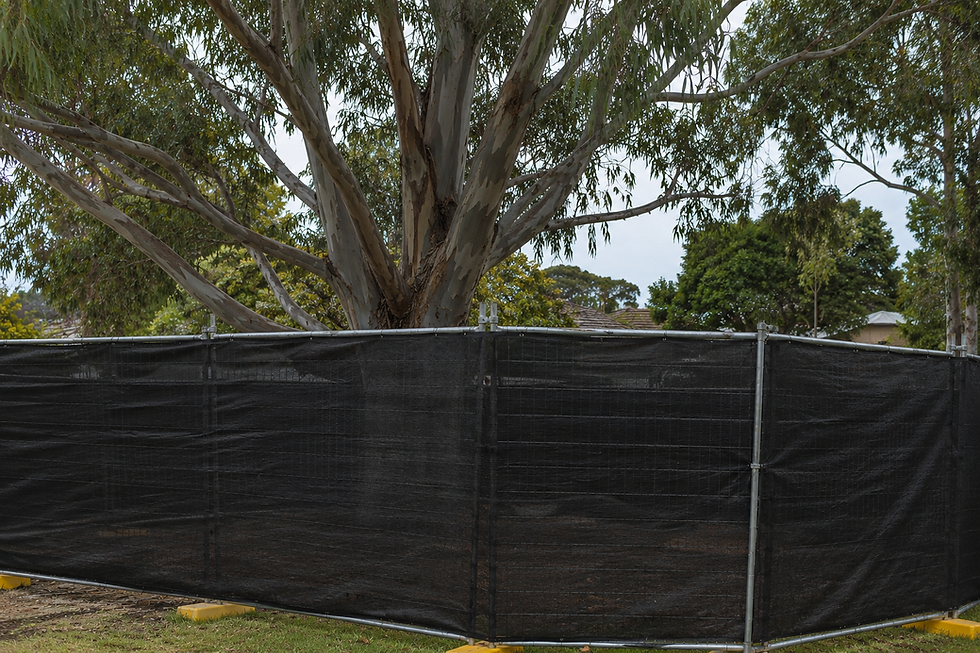
Arboricultural assessment and project support for development planning, tree retention, AS 4970:2025 tree protection, construction impacts and project delivery.

STATE GOVERNMENT AND LOCAL GOVERNMENT
State Government agencies, local governments and public asset managers.
Independent arboricultural assessment, reporting and advice supporting planning, development proposals, public trees, infrastructure, tree-risk management and informed asset decisions.
Standards, Methods and Reporting
Assessments and reports are prepared with reference to current Australian Standards, recognised arboricultural methodologies and the planning, statutory and project requirements relevant to each scope.
Australian Standards and Requirements
AS 4970:2025 Protection of trees on development sites
Including DSH measurement, NRZ determination and establishment of the TPZ.
AS 4373:2007 Pruning of amenity trees
Where pruning recommendations form part of the assessment.
AS 2303:2018 Tree stock for landscape use
Where tree selection, supply or establishment is relevant.
Applicable Requirements
State legislation, adopted planning requirements, local government policy, relevant WALGA model guidance and project-specific conditions are considered where they apply.
Recognised Assessment Methods
Quantified Tree Risk Assessment (QTRA)
Considers the Target, Size and Probability of Failure to express an annualised Risk of Harm and support proportionate tree-risk decisions.
Safe Useful Life Expectancy (SULE)
Used where appropriate to support tree-retention, management and asset-planning decisions.
Revised Burnley Method
Used to provide structured tree valuations where valuation forms part of the agreed scope.
Site Evidence
Assessment findings are based on site inspection, measurement and appropriate investigation. Specialist testing may be recommended or coordinated where required.
Arboricultural Reporting
Preliminary Arboricultural Assessments (PAA)
Arboricultural Impact Assessments (AIA)
Tree Protection Plans and Specifications (TPP/TPS)
Tree Risk and Hazard Reports
Tree Inventory and Asset-Management Reports
Tree Valuation Reports
Project Arborist Monitoring and Hold-Point Records
AS 4970:2025 Protection of trees on development sites
Including DSH measurement, NRZ determination and establishment of the TPZ.
AS 4373:2007 Pruning of amenity trees
Where pruning recommendations form part of the assessment.
AS 2303:2018 Tree stock for landscape use
Where tree selection, supply or establishment is relevant.
Applicable Requirements
State legislation, adopted planning requirements, local government policy, relevant WALGA model guidance and project-specific conditions are considered where they apply.
Quantified Tree Risk Assessment (QTRA)
Considers the Target, Size and Probability of Failure to express an annualised Risk of Harm and support proportionate tree-risk decisions.
Useful Life Expectancy (ULE)
Used where appropriate to support tree-retention, management and asset-planning decisions.
Modified Burnley Method
Used to provide structured tree valuations where valuation forms part of the agreed scope.
Site Evidence
Assessment findings are based on site inspection, measurement and appropriate investigation. Specialist testing may be recommended or coordinated where required.
Preliminary Arboricultural Assessments (PAA)
Arboricultural Impact Assessments (AIA)
Tree Protection Plans and Specifications (TPP/TPS)
Tree Risk and Hazard Reports
Tree Inventory and Asset-Management Reports
Tree Valuation Reports
Project Arborist Monitoring and Hold-Point Records
PSHB and Biosecurity Support
Host-tree identification
Identification of recognised Polyphagous shot-hole borer (PSHB) host trees.
Signs and symptoms
Inspection for suspected shot-holes, galleries, frass, staining, lesions, gumming and dieback.
Mapping and monitoring
Tree inventory, spatial records, photographic documentation and reinspection planning.
Biosecurity requirements
Assessment and advice informed by current DPIRD Quarantine Area requirements, including Management and Containment Zone movement controls and prescribed reporting pathways.
Clear, Defensible Reporting
Reports clearly document the assessment undertaken, observations, supporting evidence, relevant constraints, limitations and recommendations, providing a clear basis for planning, approvals, construction and ongoing management. Where signs of PSHB are suspected, findings are documented and referred to DPIRD through the prescribed reporting channels; confirmation of infestation and any statutory directions remain with DPIRD.


Why Work With Redtail?
Independent arboricultural advice you can stand behind.
Independent and Impartial Advice
Evidence-Based Assessment
Redtail operates independently of tree pruning and removal contractors. Recommendations are based on site findings, applicable standards and project requirements—not on a predetermined outcome.
Assessments are grounded in site observations, measured information, documented evidence and recognised assessment methodologies, with diagnostic information considered where relevant.
Standards and compliance
Clear, Defensible reporting
Advice and reporting consider applicable Australian Standards, legislation, planning requirements and project conditions, including AS 4970:2025 where relevant.
Findings, assessment methods, limitations and recommendations are clearly documented, providing a reliable basis for planning, approvals and informed decision-making.
Practical project advice
Proportionate Risk Management
Advice considers the practical realities of development, construction, infrastructure, land management and ongoing tree management.
Tree hazards and risk are assessed within their actual site context using recognised methodologies, including QTRA where appropriate. Recommendations are proportionate to the circumstances and level of risk identified.

About Redtail
Redtail Arboricultural Consulting is an independent consultancy founded by Christopher Harris, providing evidence-based arboricultural assessment, advice and reporting across Western Australia, including Perth and regional areas. Environmental, conservation and ecosystem management considerations are incorporated where relevant to the site and scope of each assessment.
Redtail provides clear, technically grounded advice to support informed decision-making, proportionate risk management and compliance with relevant requirements. Services support development and planning, infrastructure and civil works, local government, resource and land management projects, and commercial and private property matters.
With more than 20 years’ experience in horticulture and formal qualifications spanning arboriculture, horticulture, conservation and ecosystem management,
Redtail combines practical site understanding with a sound technical basis for assessment and reporting.
Redtail’s approach is straightforward: assess the site, establish the relevant requirements, consider the evidence and provide clear recommendations that can be understood and acted upon.
Redtail does not provide tree pruning, removal or maintenance services and does not recommend specific arborist companies or service providers.
Where arboricultural works are recommended, they should be undertaken by an arborist holding, at minimum, a Certificate III in Arboriculture (AQF Level 3) qualification, together with current insurance appropriate to the work.
Independent. Evidence-based. Defensible.
Professional Qualifications and Training
-
Diploma of Arboriculture (AQF Level 5)
-
Certificate III in Arboriculture
-
Certificate IV in Horticulture
-
Certificate IV in Conservation and Ecosystem Management
-
QTRA Registered User — No. 9265
-
Construction White Card (WA)
-
DPIRD PSHB Training Certificate of Completion
Professional Memberships
-
ISA Member (International Society of Arboriculture)

Proudly based in Western Australia
Serving Perth Metro and Regional WA
Practical advice. Technical rigour. Environmental responsibility.